Recognizing Fat Dogs and Obesity In Dogs
We can’t deny the fact that fat dogs are cute and cuddly. But as a pet owner, it is your responsibility to keep your dogs healthy and fit.
Unsurprisingly overweight dogs are more prone to develop health problems compared to those that are physically fit.
When Can A Dog Be Considered Obese?
Before finally concluding that your dog is obese, you need to consider some things.
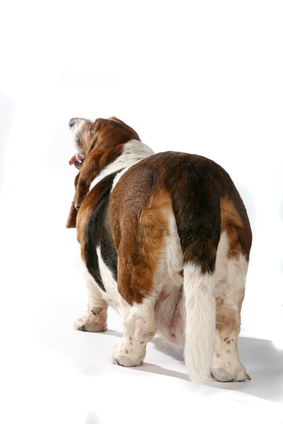
First, you have to determine the breed of the dog. There are dogs that are naturally big but are not obese. Some dogs are very small but are not malnourished.
One common way of determining if the dog is indeed obese is by simply touching and feeling their ribs. If you can no longer feel the ribs using your hand, then chances are you have an obese dog.
This method can also be done in areas such as the neck, shoulders, and the tail.
Also, as a general rule, dogs can be considered overweight if they are 5 to 20 percent above the ideal weight and obese if they are 20 percent above the ideal weight.
You can ask your vet for your dog's ideal weightand compare the actual weight from there.
The Dangers Of Fat Dogs
Obesity is always considered as a health threat. Obese dogs feel less energized and find it hard to move around.
Aside from that, since their body is too big, their heart may find it hard to pump the necessary blood needed by the body. This could be an added workload for the heart and in the long run, heart diseases may take place.
Overweight dogs are prone to the development of diabetes. They are also at risk for developing certain types of cancer including kidney, colon, and gall bladder. These health risks can lead to shorter life expectancy of the dog.
Treating Obesity In Dogs
Fat dogs can definitely be treated. Here are several things that you can do to prevent your dog from being obese or at least controlling any increase in your dog’s weight.
* Check the quality and quantity of the food that you normally give to your dog. Simply control the foods that you feed your dog with and make sure that you also feed your dog with a healthy diet.
* Make sure that your dog also undergoes proper and regular exercise that could help their metabolism to increase and improve.
* You should also take the initiative to take your dog to the vet to make sure that it is well and constantly monitored.
* If the obesity of your dog is very extensive already, the vet might prescribe some special treatments to cure your dog’s condition.
Related Articles
Fat Dogs? Canine Food And Nutrition
Labrador Retriever Health
Diabetes In Dogs
The Labrador Retriever Guide is not intended to replace the advice of a
Veterinarian or other pet Professional. This site accepts advertising
and other forms of compensation for products mentioned. Such
compensation does not influence the information or recommendations made.
We always give our honest opinions, findings, beliefs, or
experiences. © 2022 Labrador-Retriever-Guide.com.